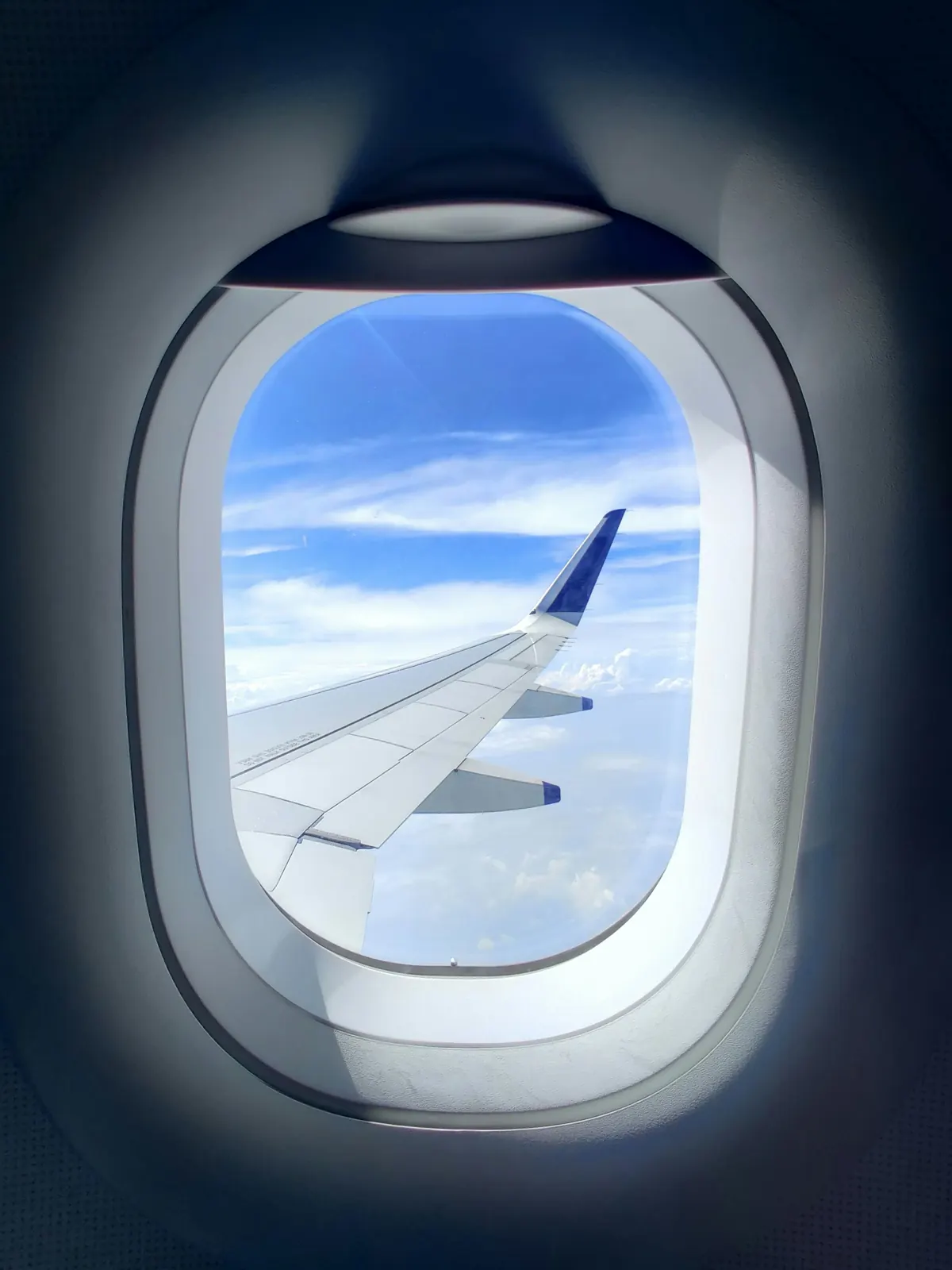
Turboprop
Best under 1.5 hours each way
6–9 seats≈ 1,800 nm range$1,800–3,200 per hour, est.
Home / Aircraft
Aircraft
Day trips reward the smallest aircraft that carries your group in comfort. Here is how the categories compare, and which ones suit a same-day return.
Best under 1.5 hours each way
6–9 seats≈ 1,800 nm range$1,800–3,200 per hour, est.
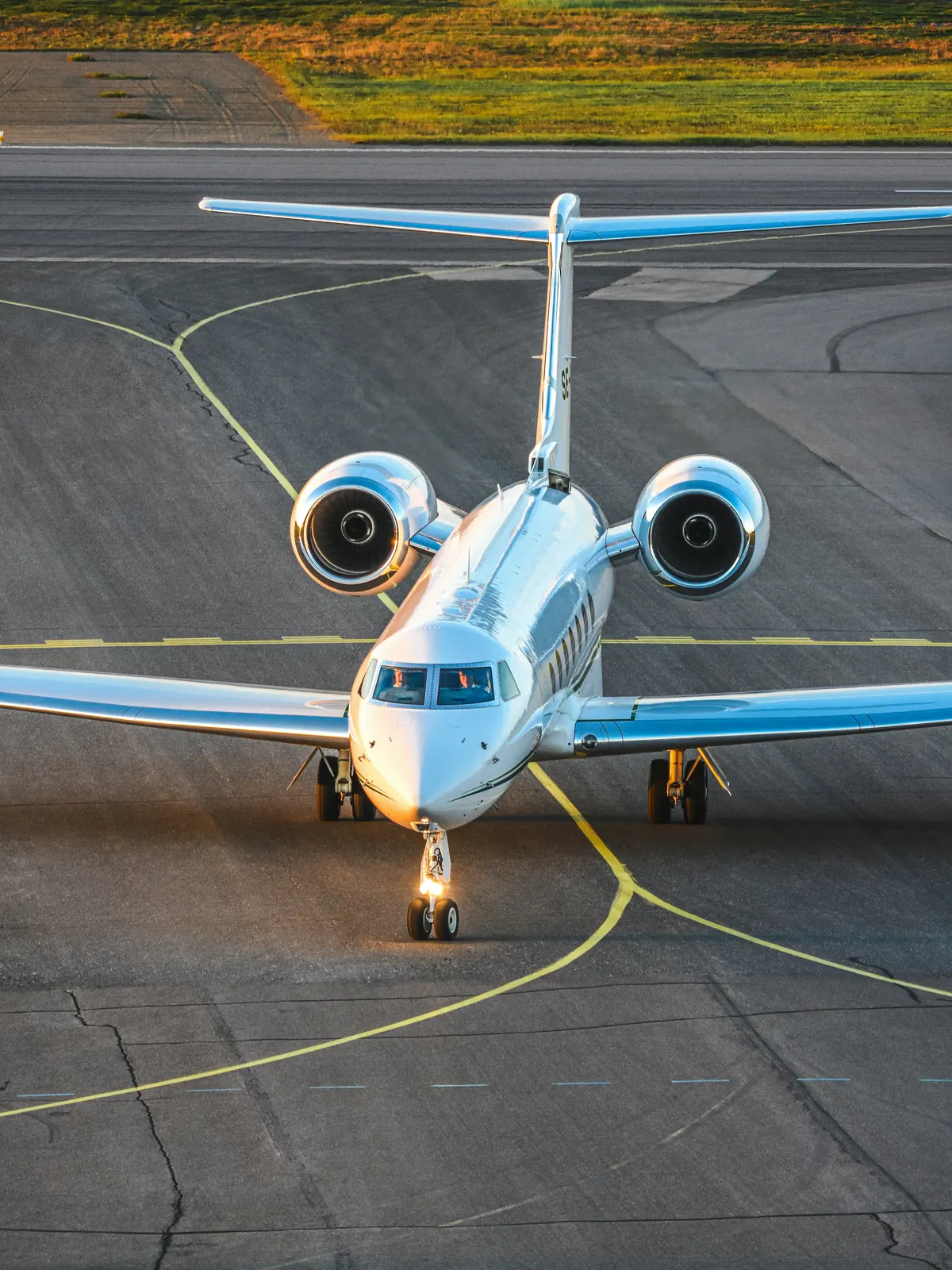
Ideal for 1 to 2.5 hours each way
6–8 seats2,000–2,150 nm range$3,500–5,500 per hour, est.
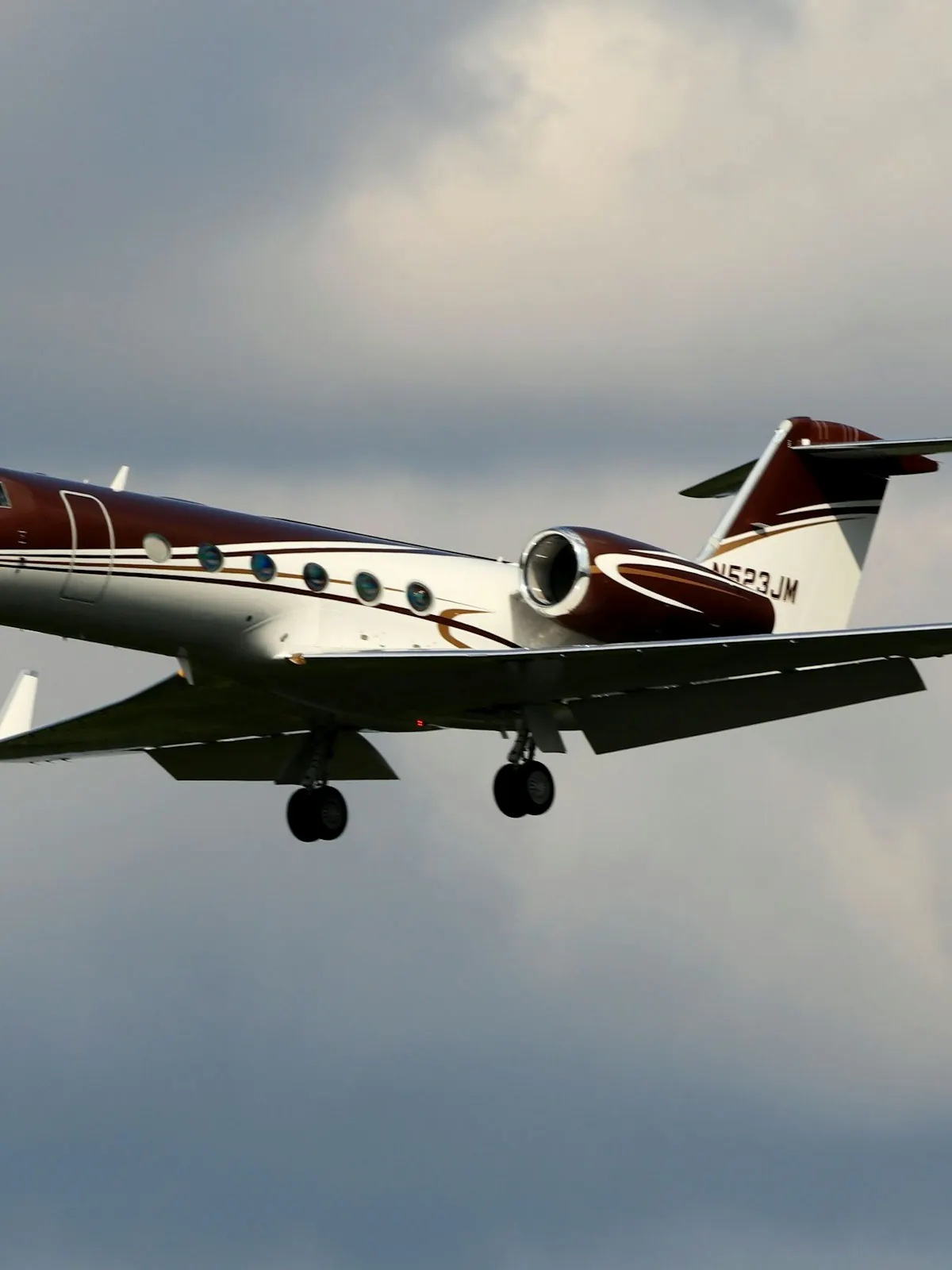
Longer days, more legroom
7–9 seats≈ 2,100 nm range$4,500–7,000 per hour, est.
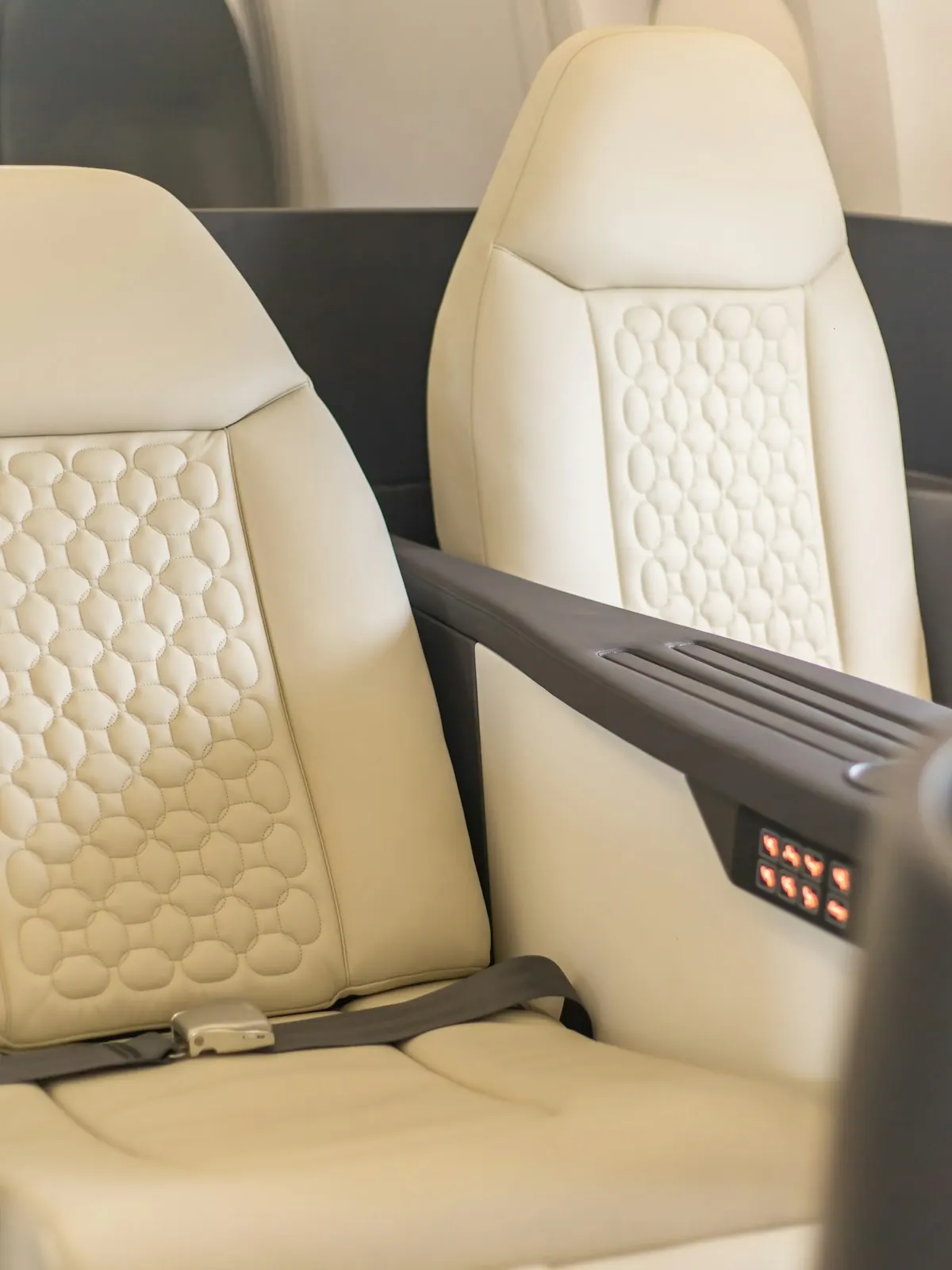
Long legs or a bigger group
8–10 seats3,200–4,000 nm range$6,500–9,500 per hour, est.
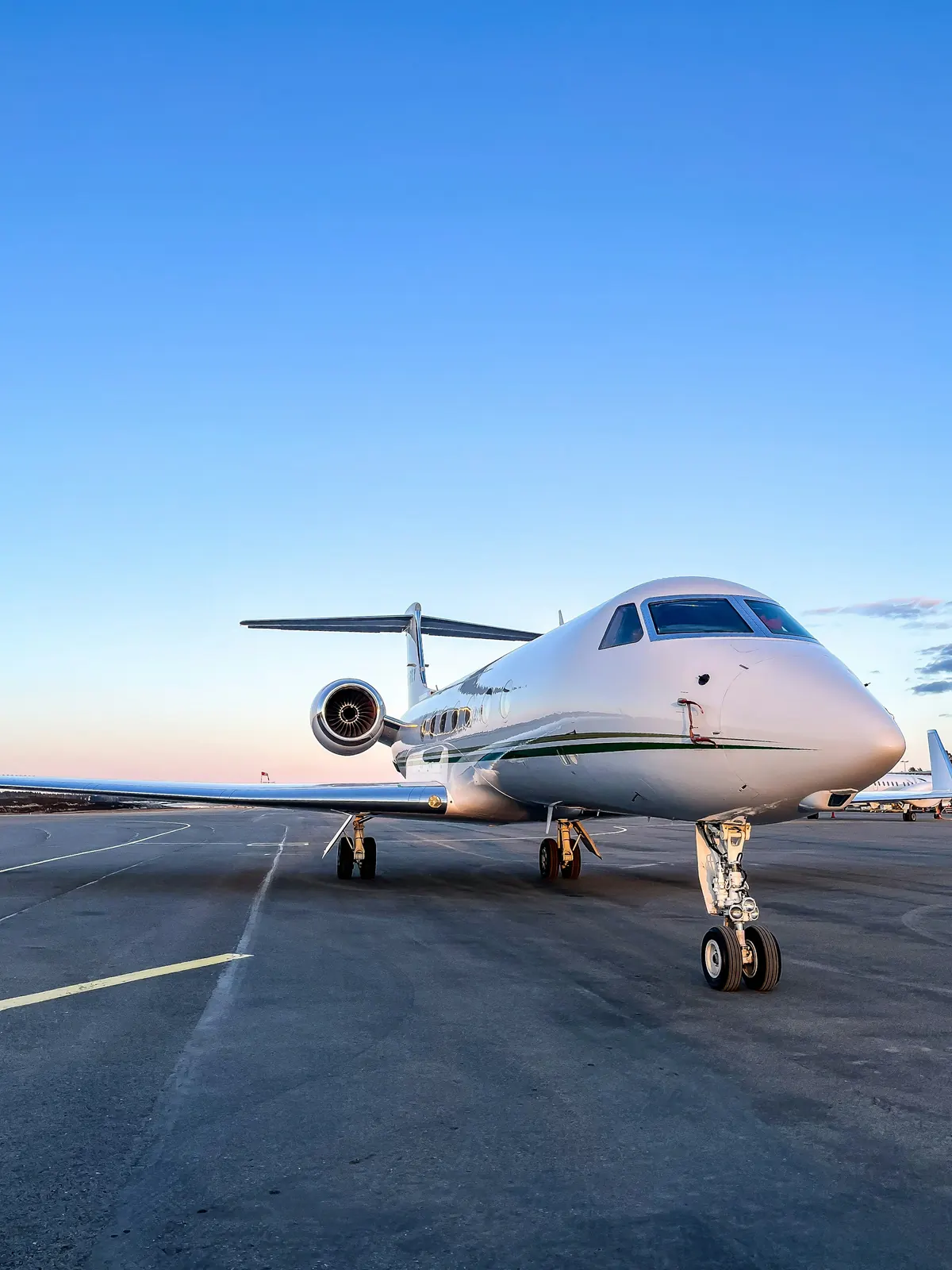
Rarely needed for a day trip
10–16 seats4,000–4,300 nm range$8,500–13,000 per hour, est.
Side by side
Hourly figures are estimates for US charter before the 7.5% federal excise tax and fees. Range figures are best-case maximums; a full cabin, heavy bags or headwinds shorten them.
| Category | Seats | Range | Est. hourly | Examples | Day trips |
|---|---|---|---|---|---|
| Turboprop | 6–9 | ≈ 1,800 nm | $1,800–3,200 | Pilatus PC-12, King Air 350 | Under 1.5 hours each way |
| Very light jet | 4–5 | 1,400–1,550 nm | $2,800–4,200 | HondaJet, Citation M2 | Short trips for two or three |
| Light jet | 6–8 | 2,000–2,150 nm | $3,500–5,500 | Phenom 300E, Citation CJ4, Learjet 75 | 1 to 2.5 hours each way |
| Midsize jet | 7–9 | ≈ 2,100 nm | $4,500–7,000 | Citation XLS+ | Up to about 3 hours each way |
| Super-midsize | 8–10 | 3,200–4,000 nm | $6,500–9,500 | Challenger 350, Citation Longitude, Praetor 600 | Longer legs, usually with an overnight |
| Large cabin | 10–16 | 4,000–4,300 nm | $8,500–13,000 | G450, Challenger 650, Falcon 2000LXS | Large groups |
| Ultra long range | 13–19 | 7,500–7,700 nm | $12,000–20,000+ | G650ER, Global 7500 | Not a day-trip aircraft |
On a day trip, time in the air is the expensive part and time on the ground is the point. A turboprop or light jet keeps the flying cost down on short routes, and a midsize jet adds stand-up room when the flights get longer or the group gets bigger.
Larger aircraft cost more per hour without saving much time on a short route, so they make sense mainly for big groups or when bags and equipment demand the space. Once each leg passes about three hours, the crew's duty day starts to decide the plan, and an overnight is often the better choice.